


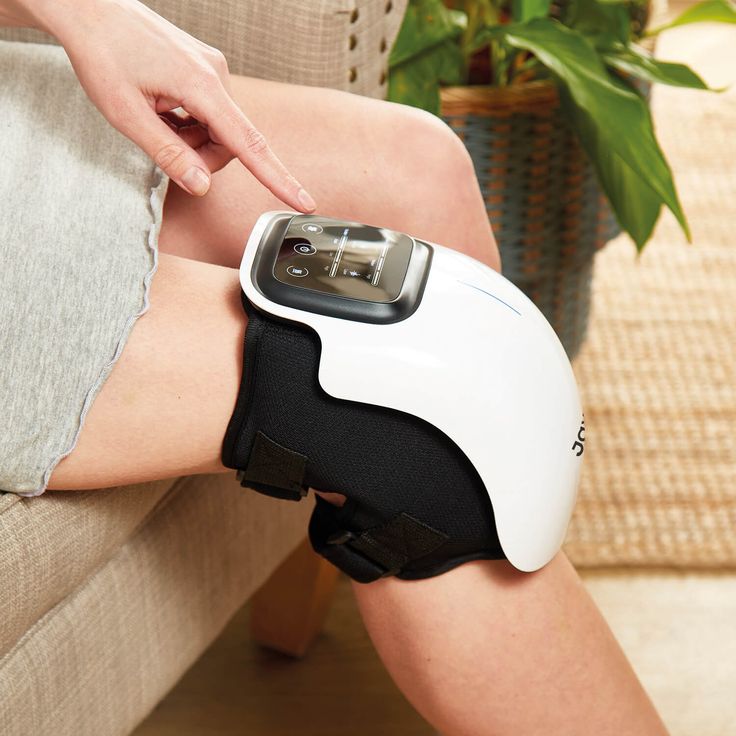
Understanding Joint Discomfort in the Knee
Knee joint discomfort is usually the result of multiple factors working together, including inflammation, muscle tightness, reduced circulation, and wear on cartilage over time. Whether it comes from aging, injury, arthritis, or overuse, knee pain often affects not just the joint itself but also the surrounding muscles and connective tissues.
Table of Contents
ToggleBecause of this complexity, effective relief often requires more than a single approach. This is where knee massager stand out, offering a combination of therapies that target several underlying contributors to discomfort at once.
The Role of Heat Therapy in Pain Relief
One of the most well-supported mechanisms used in knee massagers is heat therapy. From a physiological perspective, heat increases blood flow to the affected area. Improved circulation helps deliver oxygen and nutrients to tissues while supporting the removal of metabolic waste products that can contribute to soreness.
Heat also helps reduce muscle stiffness by increasing tissue elasticity. When muscles and tendons around the knee become more flexible, movement often feels easier and less painful. This is why many people experience immediate relief from warmth during a knee massager session.
Vibration and Neurological Pain Modulation
Vibration therapy works through a different scientific pathway. It stimulates sensory receptors in the skin and muscles, which can influence how pain signals are transmitted to the brain.
This concept aligns with the “gate control theory of pain,” which suggests that non-painful sensory input, such as vibration, can reduce the perception of pain by interfering with pain signal transmission. As a result, the brain may perceive less discomfort when vibration is applied around the knee joint.
In addition to pain modulation, vibration helps relax tight muscles, which can further reduce pressure on the joint itself.
Compression and Joint Support Mechanics
Air compression used in advanced knee massagers applies rhythmic pressure around the knee. This gentle squeezing action helps support the joint and surrounding tissues.
From a physiological standpoint, compression may assist in improving lymphatic flow and reducing fluid buildup in the area. This can contribute to a feeling of reduced swelling and increased comfort.
Compression also provides a sense of stability, which can make movement feel safer and less painful, especially for individuals dealing with chronic joint sensitivity.
Improved Circulation and Tissue Recovery
One of the key scientific benefits of combining heat, vibration, and compression is enhanced circulation. Better blood flow is essential for tissue recovery and joint health.
When circulation improves, the body becomes more efficient at transporting nutrients and removing waste products that contribute to inflammation and discomfort. This creates a more favorable environment for healing and reduces the feeling of stiffness in the knee.
Over time, consistent use may help maintain a more relaxed and functional joint state, especially when combined with movement and exercise.
Neuromuscular Relaxation and Mobility
Knee discomfort is not only a joint issue—it also involves the surrounding muscles. When these muscles become tense, they can restrict movement and increase pressure on the knee.
Knee massagers help trigger neuromuscular relaxation by combining heat and vibration. This reduces muscle guarding, allowing the joint to move more freely. As muscles loosen, range of motion often improves, making daily activities more comfortable.
Why Multi-Therapy Devices Work Better
The real advantage of modern knee massagers lies in their combination approach. Instead of relying on a single method, they integrate heat, vibration, and compression to target multiple causes of discomfort simultaneously.
This multi-therapy approach is more effective than isolated treatments because knee pain is rarely caused by just one factor. By addressing circulation, muscle tension, and sensory pain pathways together, knee massagers provide a more complete relief experience.
Conclusion
The effectiveness of knee massagers is supported by several well-understood scientific principles, including improved circulation, neuromuscular relaxation, and pain signal modulation. While they do not cure underlying joint conditions, they can significantly reduce discomfort and improve mobility for many users.
By combining heat, vibration, and compression, a knee massager offers a practical, science-informed way to manage joint discomfort and support daily movement. For individuals seeking non-invasive relief, it represents a modern and accessible addition to a knee care routine.