


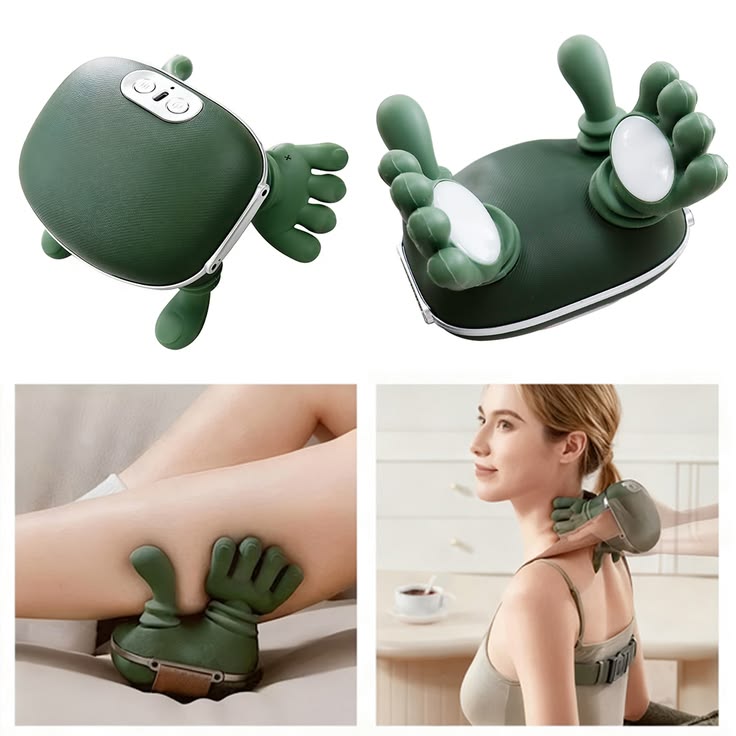
Stubborn trapezius pain is one of the most persistent forms of upper-body discomfort in modern life. It often builds gradually, starting as mild tightness in the shoulders and eventually developing into deep, localized knots that feel resistant to stretching or rest. For many people, especially those with desk-based routines or high stress levels, this tension becomes a daily background discomfort that is difficult to fully escape.
Modern Neck and Shoulder Massager technology has shifted focus toward solving this exact problem. Instead of offering general relaxation, newer devices are engineered to target trigger points in the trapezius muscle with precision, pressure control, and human-like motion. The goal is simple but important: melt the knot at its source rather than just masking the discomfort.
Why the Trapezius Muscle Is So Prone to Knots
The trapezius is a large, triangular muscle that extends from the base of the skull, across the shoulders, and down to the upper back. Because of its size and function, it is constantly engaged in stabilizing the head, supporting posture, and assisting shoulder movement.
This continuous workload makes it highly vulnerable to tension buildup.
Posture-Driven Strain
One of the biggest contributors to trapezius pain is forward head posture. When the head shifts forward while looking at screens, the upper trapezius is forced to work harder to support its weight. Over time, this leads to chronic muscle fatigue.
Stress-Related Muscle Tightening
Emotional stress often manifests physically in the shoulders. Many people unconsciously lift or tighten their shoulders during concentration or anxiety, causing sustained muscle contraction that eventually forms knots.
Lack of Movement
Long periods of sitting reduce blood circulation in the upper body. Without regular movement, muscle fibers become stiff and oxygen supply decreases, contributing to discomfort and tightness.
What Muscle Knots Actually Are
Muscle knots, also known as trigger points, are small, sensitive areas within muscle fibers that become overly contracted. These points restrict blood flow and create localized pain that can sometimes radiate into surrounding areas such as the neck or upper back.
In the trapezius, knots are especially common because of constant tension and repetitive strain. Once formed, they can be difficult to release without targeted pressure or consistent therapy.
How Modern Massagers Target Trapezius Pain
Unlike older vibration-only devices, modern massagers use advanced mechanisms designed specifically for deep tissue engagement. These systems combine motion, pressure, and sometimes heat to address knots more effectively.
1. Deep Kneading Motion
One of the most effective techniques used in modern massagers is deep kneading. This involves circular, rolling movements that mimic the pressure of human thumbs and palms.
Kneading helps stretch muscle fibers, increase blood flow, and gradually loosen tight areas where knots form.
In the trapezius, this motion is particularly effective because it follows the natural direction of the muscle fibers.
2. Focused Pressure Nodes
Many modern devices use specially shaped nodes that concentrate pressure on small areas. Instead of spreading force broadly, they apply targeted compression directly to trigger points.
This focused approach helps break down stubborn knots more efficiently than surface-level massage.
3. Rhythmic Compression and Release
Effective massage is not constant pressure but alternating cycles of compression and release. Modern massagers simulate this by pressing into the muscle, holding briefly, and then releasing.
This rhythm encourages muscle fibers to relax and improves circulation in the affected area.
4. Heat-Assisted Relaxation
Heat is often integrated into modern massagers to enhance their effectiveness. Warmth increases blood flow, softens muscle fibers, and prepares the tissue for deeper mechanical work.
In the trapezius, heat can significantly reduce stiffness and make knots more responsive to pressure.
5. Multi-Directional Movement
Advanced devices do not move in a single repetitive pattern. Instead, they shift direction and intensity to mimic the variability of human hands.
This prevents the muscle from adapting too quickly and allows deeper layers of tension to be addressed.
Why Trapezius Knots Are So Hard to “Release”
Trapezius knots are often persistent because they are located in an area that is constantly active. Even when resting, the muscle may remain slightly engaged due to posture or stress habits.
Additionally, deep knots can become surrounded by tight connective tissue, making them less responsive to light stretching or casual massage.
This is why targeted, sustained pressure is often necessary for effective relief.
Benefits of Targeted Massager Therapy
When modern massagers are used consistently, they can provide several important benefits for trapezius pain.
Reduced Muscle Tightness
Deep kneading and pressure help release contracted muscle fibers, reducing stiffness and improving mobility.
Improved Blood Circulation
Breaking up knots allows blood to flow more freely through the muscle, delivering oxygen and nutrients that support recovery.
Decreased Pain Sensation
As tension decreases, pressure on surrounding nerves is reduced, leading to noticeable pain relief.
Better Posture Support
Relaxed trapezius muscles make it easier to maintain natural posture, reducing long-term strain on the neck and shoulders.
When and How to Use Massagers for Best Results
Timing and technique play a key role in effectiveness.
After Work or Long Sitting Periods
Using a massager at the end of the day helps release accumulated tension before it becomes more severe.
Short Daily Sessions
Consistent use for 10 to 15 minutes is often more effective than occasional long sessions.
Moderate Intensity First
Starting with lower intensity allows the muscle to relax before deeper pressure is applied.
Combining Technology with Awareness
While modern massagers are highly effective, they work best when combined with body awareness. Recognizing early signs of shoulder tension—such as stiffness or mild discomfort—can help prevent knots from becoming severe.
Regular movement, posture correction, and short recovery sessions all contribute to better long-term results.
Melting the Knot Through Smart Design
Modern massagers are no longer simple relaxation tools. They are precision-engineered systems designed to address specific muscle problems like trapezius knots with targeted efficiency.
Through deep kneading, focused pressure, heat therapy, and adaptive movement, these devices aim to “melt” tension at its source rather than temporarily masking discomfort.
A Practical Path to Shoulder Relief
Trapezius pain may be common, but it is not something that has to be endured daily. With the right tools and consistent use, muscle knots can be managed effectively and progressively reduced.
Modern massagers offer a practical, accessible way to restore comfort, improve mobility, and reduce the long-term impact of daily stress on the upper body.
In a world where tension builds quickly and recovery time is limited, targeted massage technology provides a reliable way to bring the shoulders back to balance—one knot at a time.