


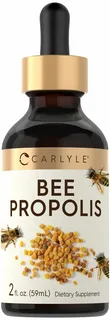
Bee propolis is a natural substance produced by honeybees from tree buds, sap, and other botanical sources. Known for its therapeutic properties, it has been used for centuries in traditional medicine. In this article, we present The Complete Guide to Bee Propolis and Its Health Benefits, exploring its origins, components, and how it supports overall health.
What Is Bee Propolis?
Bee propolis is a sticky, resin-like material that bees use to seal and protect their hives from bacteria, fungi, and other harmful pathogens. Its rich chemical composition includes flavonoids, phenolic acids, and aromatic compounds, making it a potent natural remedy. The chemical complexity of bee propolis is what gives it remarkable health-promoting properties.
Key Components of Bee Propolis
The effectiveness of bee propolis comes from its diverse bioactive compounds. Some of the most important components include:
- Flavonoids: These compounds act as antioxidants, reducing oxidative stress in the body.
- Phenolic Acids: Known for their anti-inflammatory and antimicrobial effects.
- Terpenes and Aromatic Acids: Support immune function and overall wellness.
The combination of these components makes bee propolis a unique natural supplement with multiple health applications.
Health Benefits of Bee Propolis
1. Boosts Immune System
Bee propolis contains antimicrobial and antiviral properties that help the body fight off infections. Regular use may reduce the severity and frequency of colds and other respiratory issues.
2. Supports Oral Health
Due to its antibacterial effects, bee propolis can improve oral hygiene by preventing cavities, reducing plaque buildup, and soothing gum inflammation.
3. Promotes Wound Healing
Topical application of bee propolis has been shown to accelerate wound healing and tissue repair due to its antimicrobial and anti-inflammatory properties.
4. Reduces Inflammation
Chronic inflammation is linked to many health issues, including heart disease and arthritis. The anti-inflammatory compounds in bee propolis can help manage inflammation and improve overall health.
5. Antioxidant Properties
The flavonoids in bee propolis combat free radicals, which can damage cells and contribute to aging and disease. Regular supplementation may help protect against oxidative stress.
How to Use Bee Propolis
Bee propolis is available in several forms, including:
- Tinctures: Concentrated liquid extracts that can be added to water or taken directly.
- Capsules and Tablets: Convenient for daily supplementation.
- Topical Creams and Ointments: Ideal for wounds and skin care.
When using bee propolis, it’s important to start with a small dose to ensure there are no allergic reactions, especially for individuals allergic to bees or bee products.
Precautions and Considerations
While bee propolis is generally safe, it may cause allergic reactions in some individuals. Pregnant or breastfeeding women should consult a healthcare provider before use. Also, it should not replace conventional treatments for serious health conditions.
Conclusion
In summary, The Complete Guide to Bee Propolis and Its Health Benefits highlights the remarkable potential of this natural substance. From boosting immunity to supporting oral health and wound healing, bee propolis offers a wide range of benefits. Incorporating it into your health routine can contribute to overall wellness, but it should be used responsibly and with proper guidance.